Browse our latest products
Talk about your brand
The tin runs out before the bag does. Side Bowl refills it: treats, toppers, hay, and fish food, labeled plain.
-
Freeze-Dried Meat and Fish Cat Toppers
Regular price $50.00 USDRegular priceSale price $50.00 USD -
Freeze-Dried Single-Ingredient Cat Treats
Regular price From $13.93 USDRegular priceSale price From $13.93 USD -
Bulk Freeze-Dried Chicken and Duck Cat Treats
Regular price $100.00 USDRegular priceSale price $100.00 USD -
Freeze-Dried Egg Yolk Cat Treats
Regular price From $13.78 USDRegular priceSale price From $13.78 USD
-
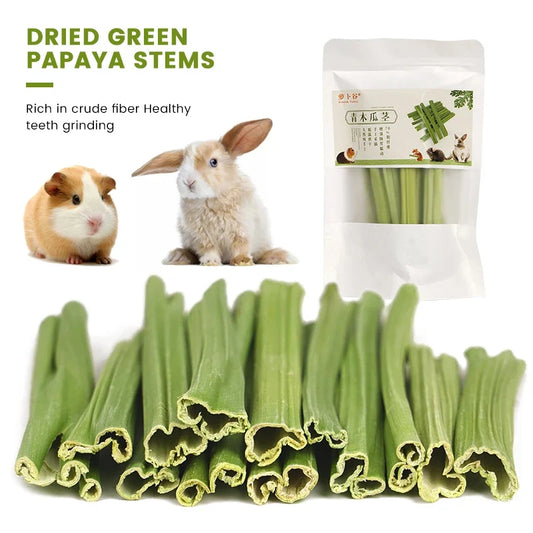
Papaya Chew Sticks for Small Pets, 20g
Regular price $3.53 USDRegular priceSale price $3.53 USD -
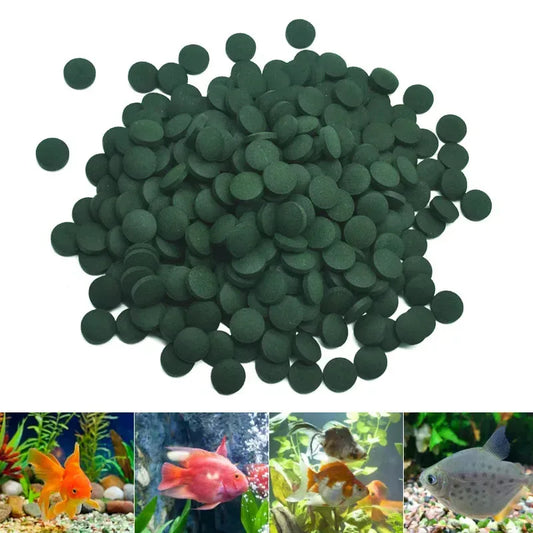
Spirulina Tablets for Fish and Shrimp
Regular price From $5.75 USDRegular priceSale price From $5.75 USD -
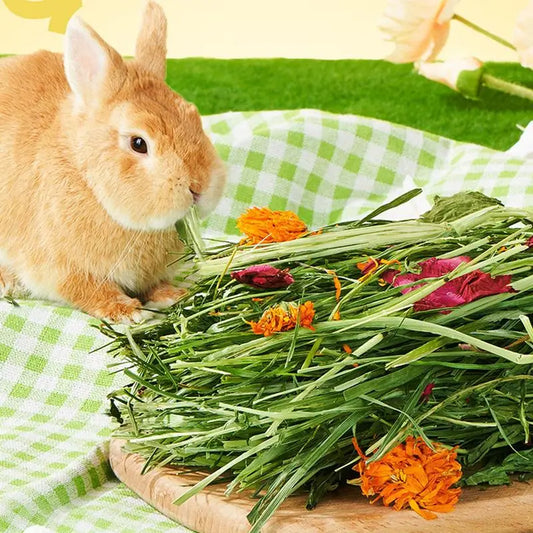
Mixed Flower and Grass Hay for Small Pets, 300g
Regular price $50.00 USDRegular priceSale price $50.00 USD -
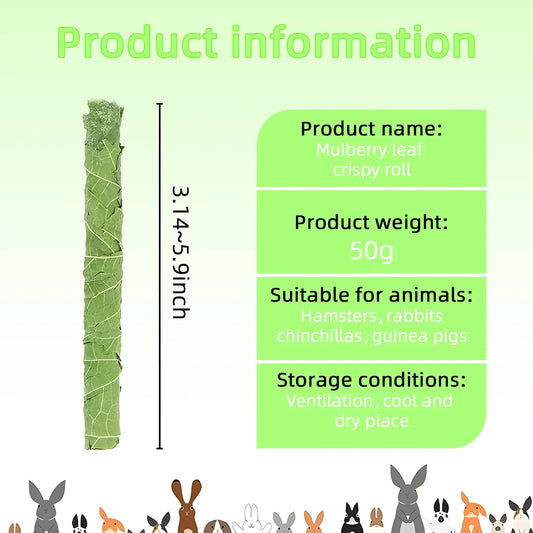
Air-Dried Mulberry Leaf Chews
Regular price $9.00 USDRegular priceSale price $9.00 USD
Feeding safety
Feed only what the package names for that animal. This is not medicine, and a sick pet needs a veterinarian.
-
Freeze-dried toppers
Crush a little freeze-dried topper over the usual meal. It should help that bowl get eaten, not replace it. Follow the bag, and keep the tin dry.
Freeze-dried toppers
Crush a little freeze-dried topper over the usual meal. It should help that bowl get eaten, not replace it. Follow the bag, and keep the tin dry.
-
Training bites
Break training bites small enough to swallow in a second. Use them to mark the cue, not as the day's meal. Pocket a few, and leave the bag closed.
Training bites
Break training bites small enough to swallow in a second. Use them to mark the cue, not as the day's meal. Pocket a few, and leave the bag closed.
-
Hay and chews
Put hay out first and keep it available. Offer a chew after hay, and only the one labeled for that animal. A chew is not a meal, and not a...
Hay and chews
Put hay out first and keep it available. Offer a chew after hay, and only the one labeled for that animal. A chew is not a meal, and not a...
FAQ
Common Questions
Is this a full meal or a treat?
Side Bowl is the second bowl. Freeze-dried toppers, training bites, hay, and fish food sit beside the daily diet your animal already eats. A topper is mixed into the regular meal. A training bite is a reward. Hay for a rabbit is daily forage. A chew is not a substitute for that hay. If the bag calls the product a complete food, feed it as the bag says. If it does not, do not use it as the only meal.
How much should I feed?
Use the amount printed on the package. If the package gives no amount, keep a topper or chew small: a garnish or a short visit, not a second dinner. Break training treats so the dog can take several and still work. For fish, feed only what is eaten in a short sitting, then stop. Uneaten pellets cloud the water. On heavy training days, adjust the main meal rather than stacking a full dinner on a full pocket of rewards. If a veterinarian has set a diet, follow that diet.
Why is there no protein percentage on the page?
The page repeats what the listing states. It does not add a protein number, a guaranteed analysis, or a certification that is not on the label. Meat is named when the bag names it. Weight stays as printed. If a figure is missing, it is missing. Check the package that arrives, and treat that label as the source.
Which fish food do I need?
Match the tub to the fish, and match the pellet to where they eat. Floating food is for fish at the surface. Sinking food is for fish that stay down, including many bottom feeders. Cichlid, blood parrot, flowerhorn, and pleco foods are for those fish. A color tablet is a color food for the species named on the tub, not a dye for every animal in the tank. Shrimp tablets are for shrimp.
Can every small pet share the same chew or hay?
No. A rabbit, guinea pig, chinchilla, and hamster are not the same mouth. Buy the hay or chew labeled for the animal you keep. Put hay out first and keep it available. Offer chews after hay, in a small amount. Timothy hay and a mixed flower-and-grass hay are different products. Read which one you bought. If a rabbit stops eating, including hay, call a veterinarian. A new chew is not a treatment.